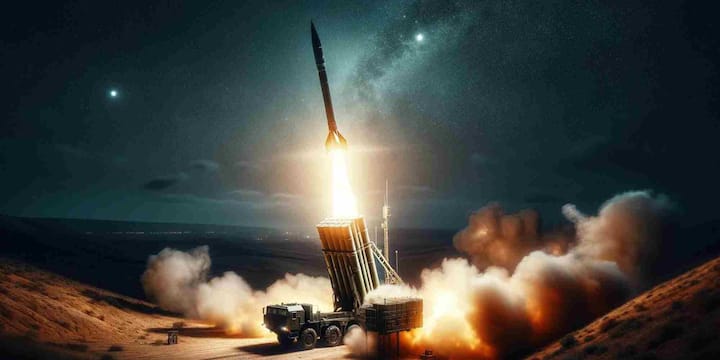
SARMAT is a super-heey silo-based ICBM designed to fly with heavy MIRV (Multiple Independent Targetable Reentry Vehicles) and Hypersonic Glide Vehicles. Its composition and counters are such that it is considered extremely challenging for traditional missile-defense systems. This is the reason that its presence is considered strategically very important.
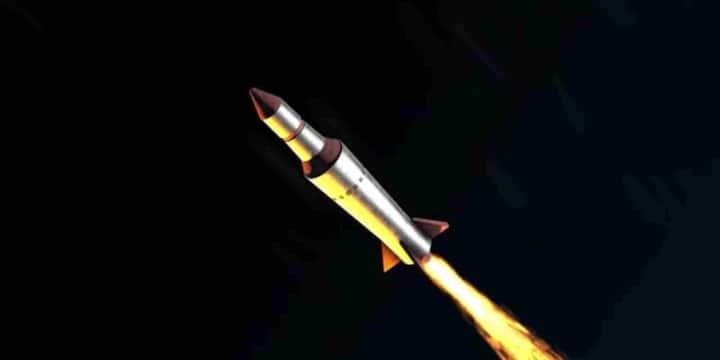
China’s DF-41 also tops the category of long range ICBM. Its estimated range is given between 12,000 and 15,000 kilometers and it has a road-mobile launching capacity which makes it difficult to track and prevent it for the defense system. DF-41 is also said to be capable of carrying many MIRV warheads, so it is also considered important in global strategic balance.
The most frightening feature of these missiles is their speed and low response time. An ICBM flight contains stages like boost, midcourse and terminal and the total flight can range from a few minutes to half an hour according to the distance. Often it takes only a few minutes to reach important goals. Due to this short time, there is a very limited time left for warning, detection and counter-action which further increases strategic stress.
The effect of the existence of such weapons is not only military, but also diplomatic and economic. When a country has the ability to hit so far, rival nations increase policies, defense systems and diplomatic pressure in response to its abilities.
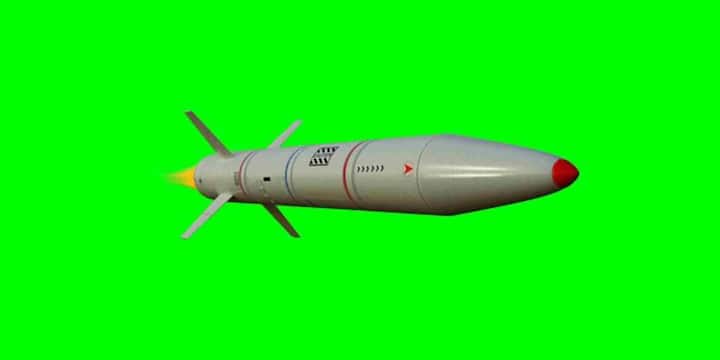
If we just talk about the range, according to public and strategic analysis, Russia’s RS-28 Sarmat is considered to be at the forefront of missiles with the longest range and heavy payload capacity, while China’s DF-41 is also very competent and dangerous. The technology and deployment of these systems have a profound impact on the security policy and balance around the world, so information and transparency about them is very important in terms of international peace.
Published at: 27 Sep 2025 07:45 AM (IST)