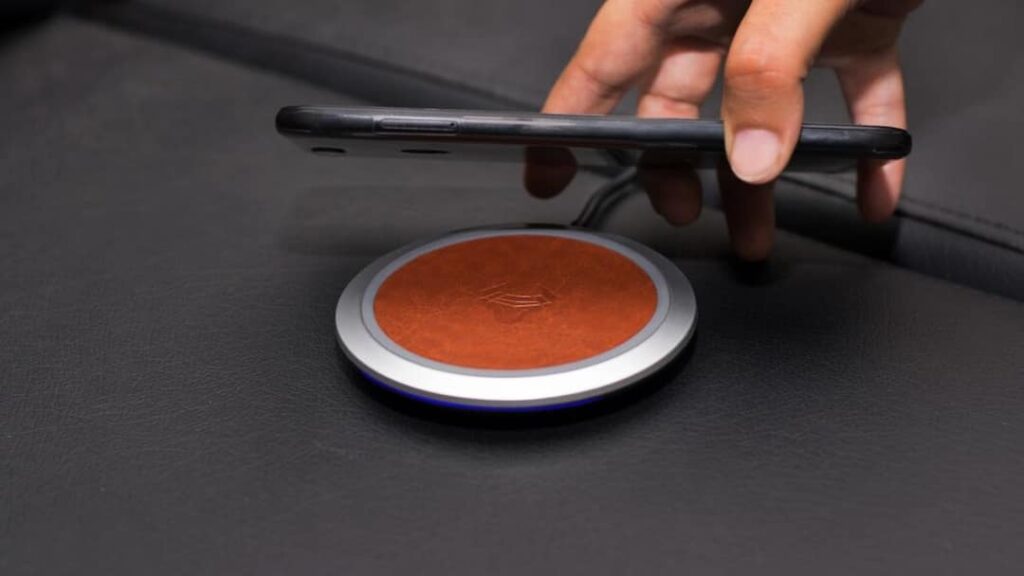

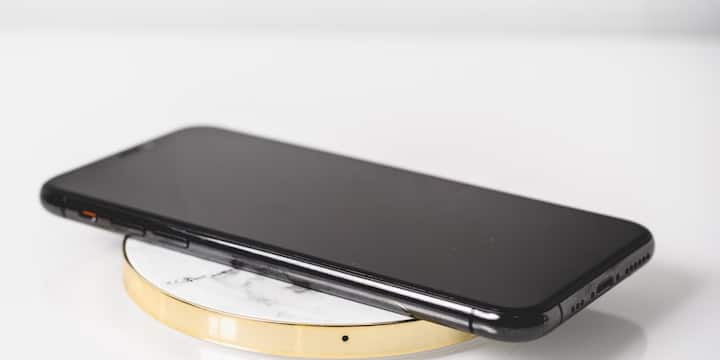
For information, let us tell you that wireless charging works on inductive technology. Electricity is transferred through a magnetic field between the coils present inside the charger and the phone. In this entire process, electricity changes into different forms several times due to which some part of the electricity becomes wasted in the form of heat.
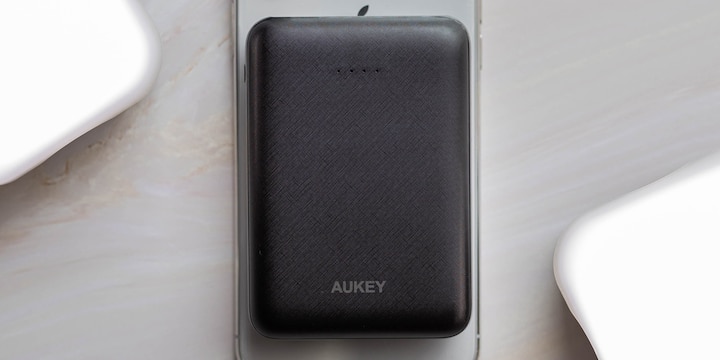
For this reason the phone often starts heating up during wireless charging. If the phone is not placed properly on the charging pad or if there is a thick cover over it, then the charging power can be reduced further.
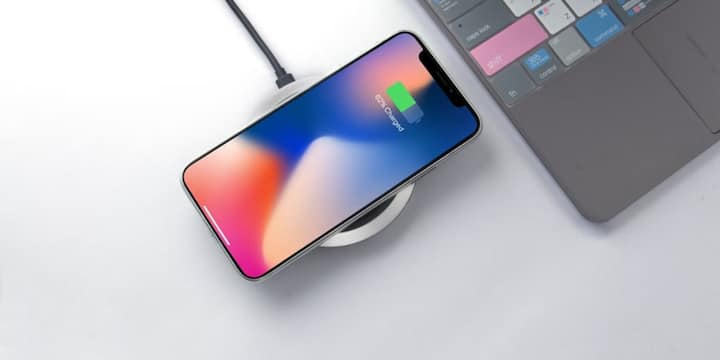
The wireless charger is always ready for charging. Therefore, even when there is no device placed on it, it continues to consume some electricity continuously. On the other hand, most wired chargers virtually stop drawing power when not in use.
Apart from this, a part of the electricity gets wasted in wireless charging. Let us tell you that even with advanced Qi2 or MagSafe technology, power loss can be about 12 to 20 percent. Whereas in normal Qi wireless charging this loss can reach 25 to 40 percent.
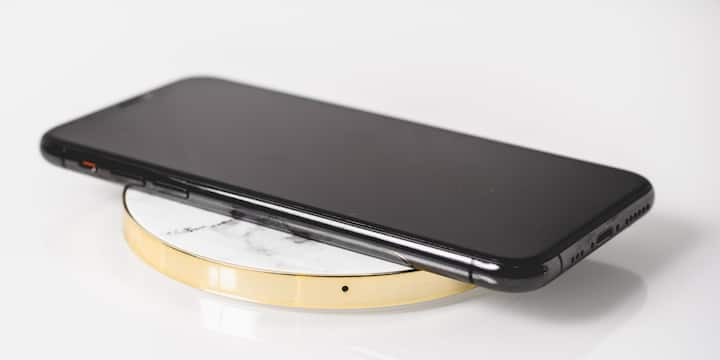
In comparison, in wired charging like USB-C, usually only 5 to 10 percent of the power is wasted. In such a situation, if many smartphones, earbuds or smartwatches in the house are charged through wireless charging, then both electricity consumption and bills can increase over time.
For your information, let us tell you that the biggest drawback of wireless charging is its low speed. Most wireless chargers are slower than wired charging. Today many smartphones support fast wired charging of up to 30W, 60W, 80W or 100W, which charges a large part of the battery in a few minutes.
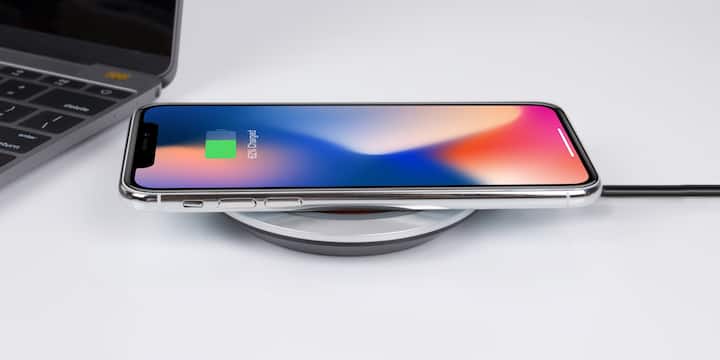
If you are in a hurry to go to office or your phone’s battery suddenly runs out, then wired charging can prove to be much faster and convenient. However, wireless charging is not entirely bad. It is very convenient to use while driving in the car, on the office desk or on the bedside table. Multi-device wireless chargers also help in charging multiple gadgets simultaneously and reduce the hassle of cables.
Published at : 17 Jul 2026 07:17 PM (IST)
Tags :
Wireless Charger TECH NEWS HINDI