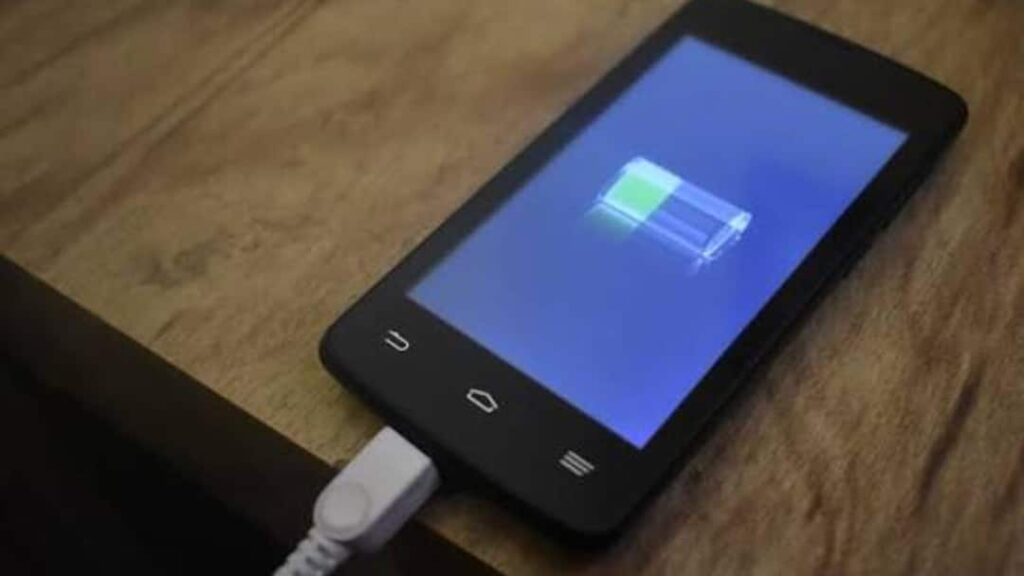


Let us tell you that the humidity in the air increases significantly during the rainy season. Now excess moisture can affect the performance of the circuits and batteries inside the electronic device. At the same time, continuously changing temperature also affects the strength of lithium-ion batteries. In such an environment, the battery is not able to function as properly as it does in dry weather.
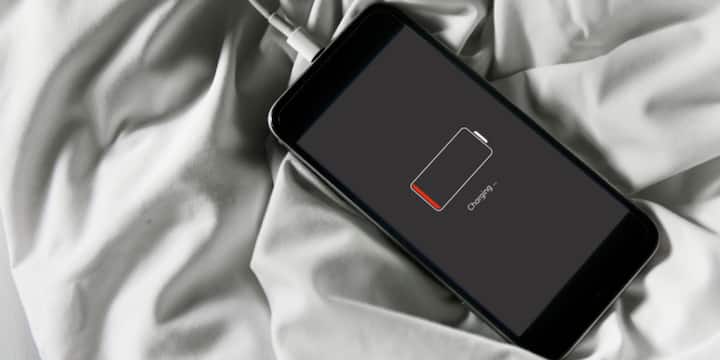
Apart from this, it is often seen that during the rainy season, network problems are seen in people’s phones. In such a situation, the phone keeps searching for the network continuously, which puts extra pressure on the phone’s battery. In this entire process, both the phone’s processor and battery consume energy, due to which the battery lasts less.

At the same time, there is often less light during monsoon. In such a situation, many users increase the brightness of the screen so that the display appears clearly. Let us tell you that high brightness drains the phone’s battery the most. Apart from this, weather, location, cloud sync and other background apps keep running continuously, which puts extra pressure on the battery.
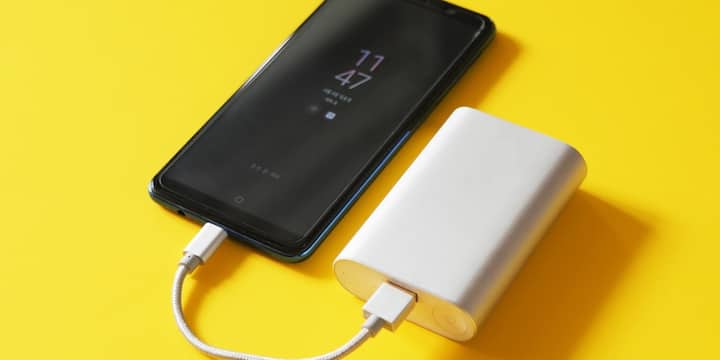
For your information, let us tell you that if moisture gets into the phone or charging port during the rainy season, the charging speed may slow down or the phone may even stop charging. Many smartphones stop charging as soon as they detect moisture for safety. In such a situation, if your phone is wet then do not make the mistake of putting it on charging.
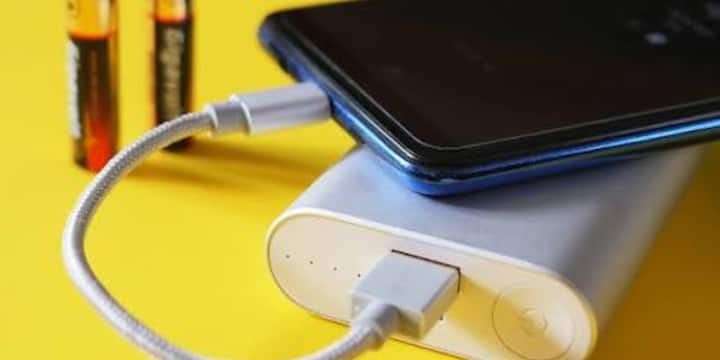
You can use your battery for a long time even in the rainy season. For this, keep the screen brightness on auto mode. Keep services like Bluetooth, GPS and 5G turned off when not needed. Apart from this, close useless apps running in the background. Use airplane mode if needed in areas with weak networks.
Published at : 18 Jul 2026 08:58 AM (IST)